Agricultural waste returned to soil.
Biochar is made from agricultural waste that is often burned after harvest. Returned to the ground, it helps soil hold carbon, water, and nutrients.
Since 2007, one farm has linked seasonal food, living soil, water, and equal wages.
Rawya Mansour founded RAMSCO for Architecture and Interior Design in 1999. In 2007, she carried that systems approach into agriculture, establishing the Nile Delta farm that became RAMSCO Egypt for Building & Construction of Eco-villages.
Oasis Technologies followed in Monaco in 2012, extending the work into research and patents. Today the group links farming, soil recovery, women’s employment, and the 2030 eco-village plan.
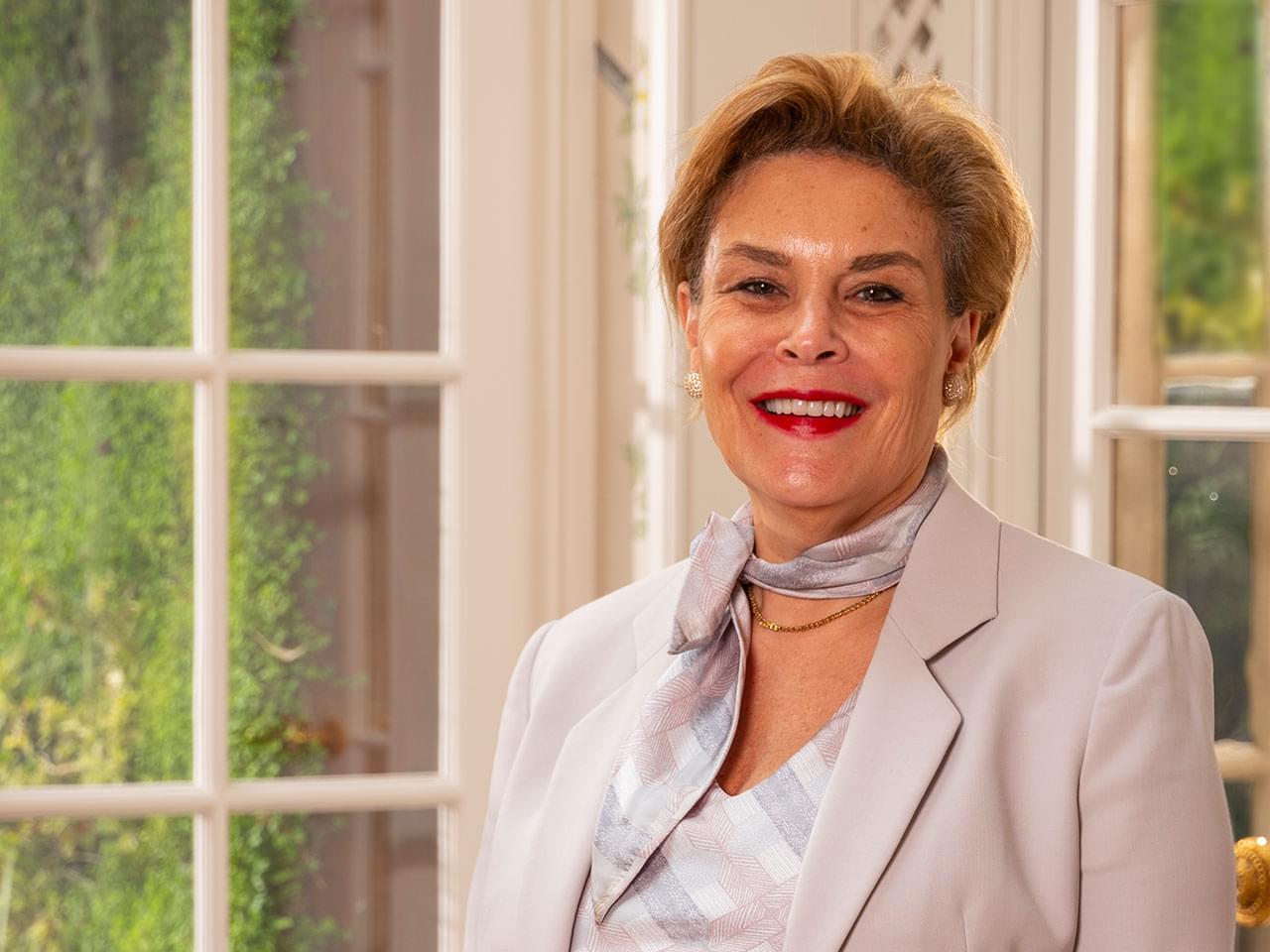
Founder and CEO, RAMSCO Egypt · Chairperson, Oasis Technologies, Monaco · Partner of the Mansour Group
Rawya Mansour is an Egyptian founder working across agriculture, soil recovery, and women’s employment. She holds international patents for organic fertilizers and agricultural biochar and leads RAMSCO’s 2030 eco-village vision.
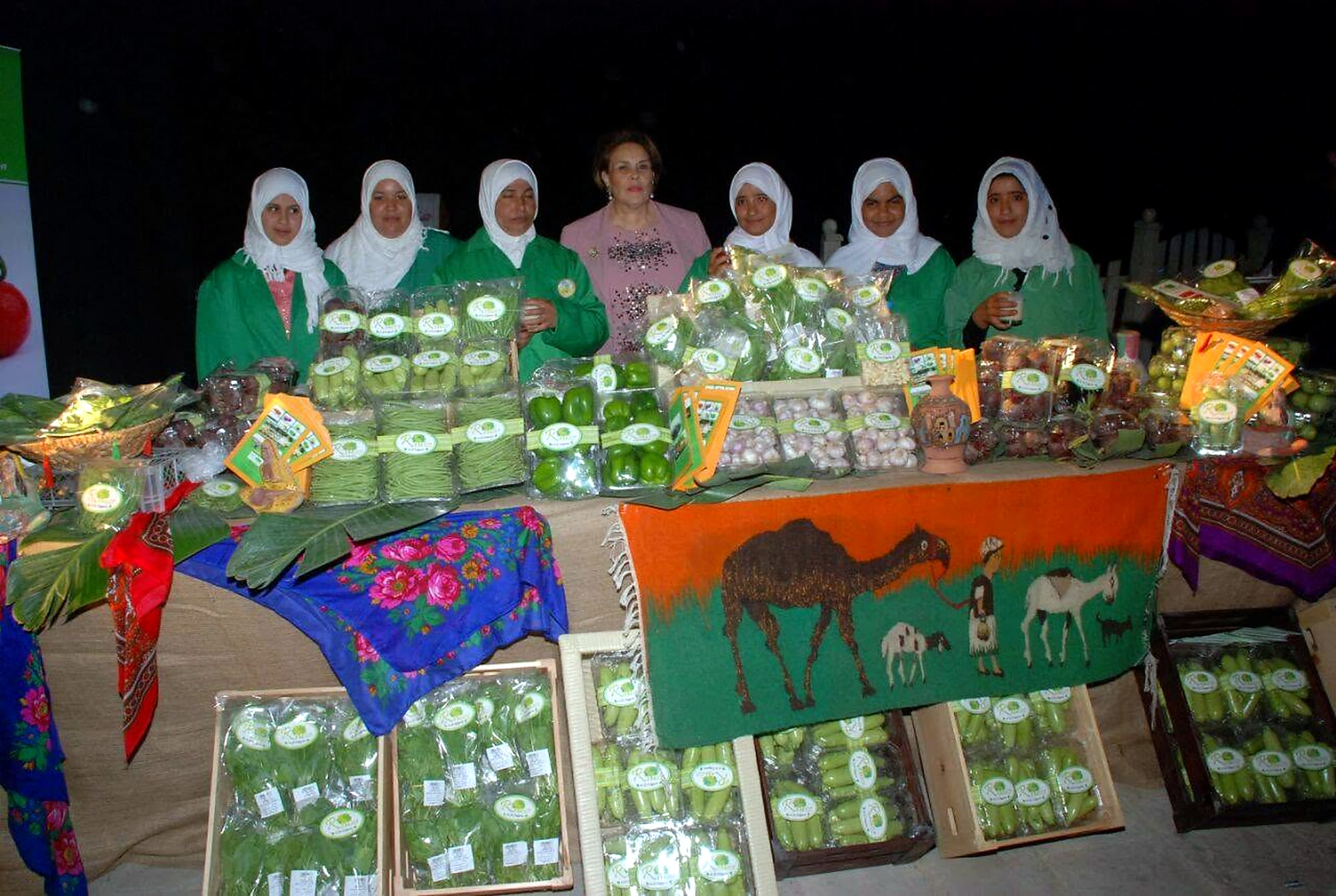
The wage reaches the women who grow it.
↳ RAMSCO's rural women, with founder Rawya Mansour
The group connects design, farming, research, public benefit, and waste recovery in Egypt and Monaco.
The original design practice, where the systems approach began.
The first trading arm, which evolved into the eco-villages company below.
The operating farm and eco-village company. 50 employees · 30 vegetable varieties · soil that holds carbon.
A research center for organic farming and regenerative agriculture.
Biotech research and development. Home of the Women Empowerment Initiative.
The international research and patents arm.
Organic Agriculture for Social International Solidarity. The philanthropic arm.
Rawya Mansour is a partner and board member.
The model begins with four linked practices: biochar, drip irrigation, organic fertilizers, and rural women employed directly. By 2030, RAMSCO’s vision is sized to reach:
The model addresses all 17 of the United Nations Sustainable Development Goals. In 2025, the BRICS Businesswomen Alliance named RAMSCO among its top women-empowerment practices.
Source: 6th Arab Water Forum keynote · Abu Dhabi · 2024Three systems return farm waste and nutrients to the next crop.
Biochar is made from agricultural waste that is often burned after harvest. Returned to the ground, it helps soil hold carbon, water, and nutrients.
A living fertilizer made with bacteria, algae, and fungi. It feeds the soil without chemical fertilizers and is patented internationally.
Animal waste, plant waste, and food waste return to the soil as compost. The farm keeps useful material out of fire and landfill.
A public record from 2007 to today.
UNIDO keynote speaker on the green economy for Arab countries, invited as an honorary guest.
↳ United Nations Industrial Development OrganizationGlobal Award for Entrepreneurship. The top global honor, for agricultural-waste recycling that addresses all 17 UN Sustainable Development Goals.
↳ Int’l Federation of Women in Business (BPW)African Female Leader of the Year. The sole Egyptian woman on the shortlist.
↳ African Leaders MagazineRAMSCO Women Empowerment Initiative named a BRICS Businesswomen Alliance Top Practice.
↳ BRICS Businesswomen AllianceArab Women of the Year, Egypt.
↳ EgyptInstitutional roles are listed here for reference.
Request RAMSCO’s investor deck and fact sheet, including the company overview and 2030 eco-village model.
Request the deck & fact sheet →